Laboratory proficiency tests are a great tool to assess the application of reference methods used by EU NRLs for the detection of quarantine fungal pathogens. At the end of each proficiency test, a report with the results will be sent to all participants and EU Commission. Proficiency tests are performed under accreditation according to the ISO 17043 standard.
EURL for fungi and oomycetes will organize at least one proficiency test per year for all EU NRLs, using morphological and molecular methods for pathogen detection.
ANSES offers Leila platform for the registration, organization and participation on proficiency tests. Access and more information about the platform is available in the following link. Guides and video tutorials are provided to help with the familiarization of the platform and for the creation of user accounts.
One of the EURL activities is to keep NRLs up to date about research, providing information on EU regulated fungal and oomycete plant pathogens.
To this aim, EURL will organize a one-day annual workshop to the EU NRLs and other invited researchers, about topics of interest in mycology and plant pathology, as well as EU regulations, biosecurity, pathogen outbreaks …
EURL for fungi and oomycetes is open to suggestions for the theme of the future workshops. Submission of topic suggestions can be sent through the formulary available in the EURL website.
EURL aims to support NRLs in the application of new diagnostic methods to detect quarantine fungal and oomycete species. In this section, diagnostic protocols will be available, indicating which ones have been validated by the EURL.
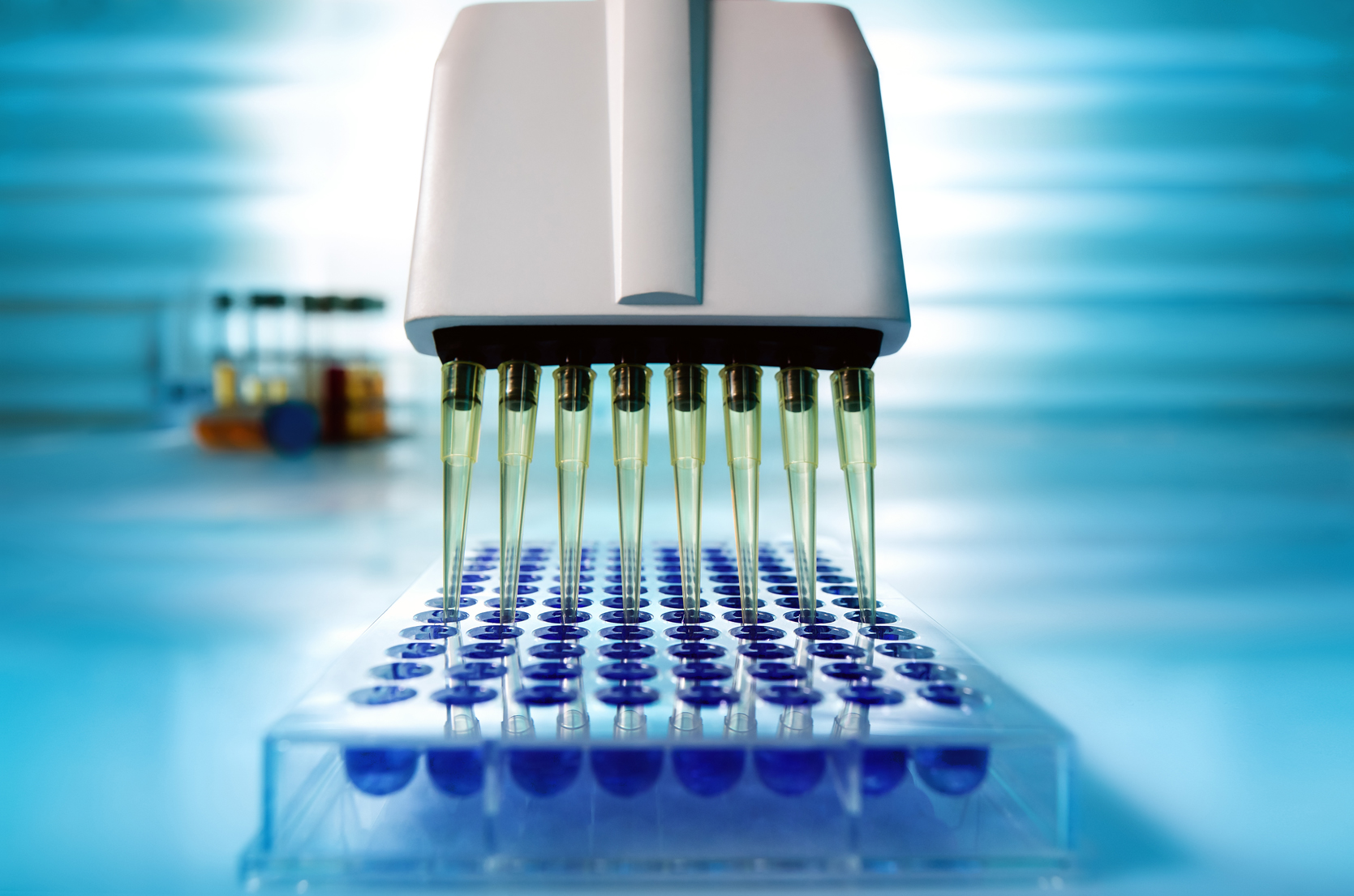
An annual training course will be organized for staff of EU NRLs, and if needed, from other laboratories and experts from third countries, with the aim to improve diagnostic skills. Training courses will be organized in our facilities, in the Mycology Unit of the ANSES Plant Health Laboratory, located in Nancy, France.
The scope of the trainings will cover from the diagnostic of a specific fungal or oomycete species, to the application of diagnostic methods such as real-time PCR, among others. The trainings will include theoretical and practical sessions, and will be organized for up to five or six participants per session, and several sessions if high demand.